What is Sensory Integration Therapy and Who is It For? Complete Guide in Pendik, Istanbul
Discover what sensory integration therapy is, sensory processing disorder symptoms, vestibular/proprioceptive systems, and who benefits most. Expert pediatric therapy guide by Önce Özel Eğitim in Pendik.
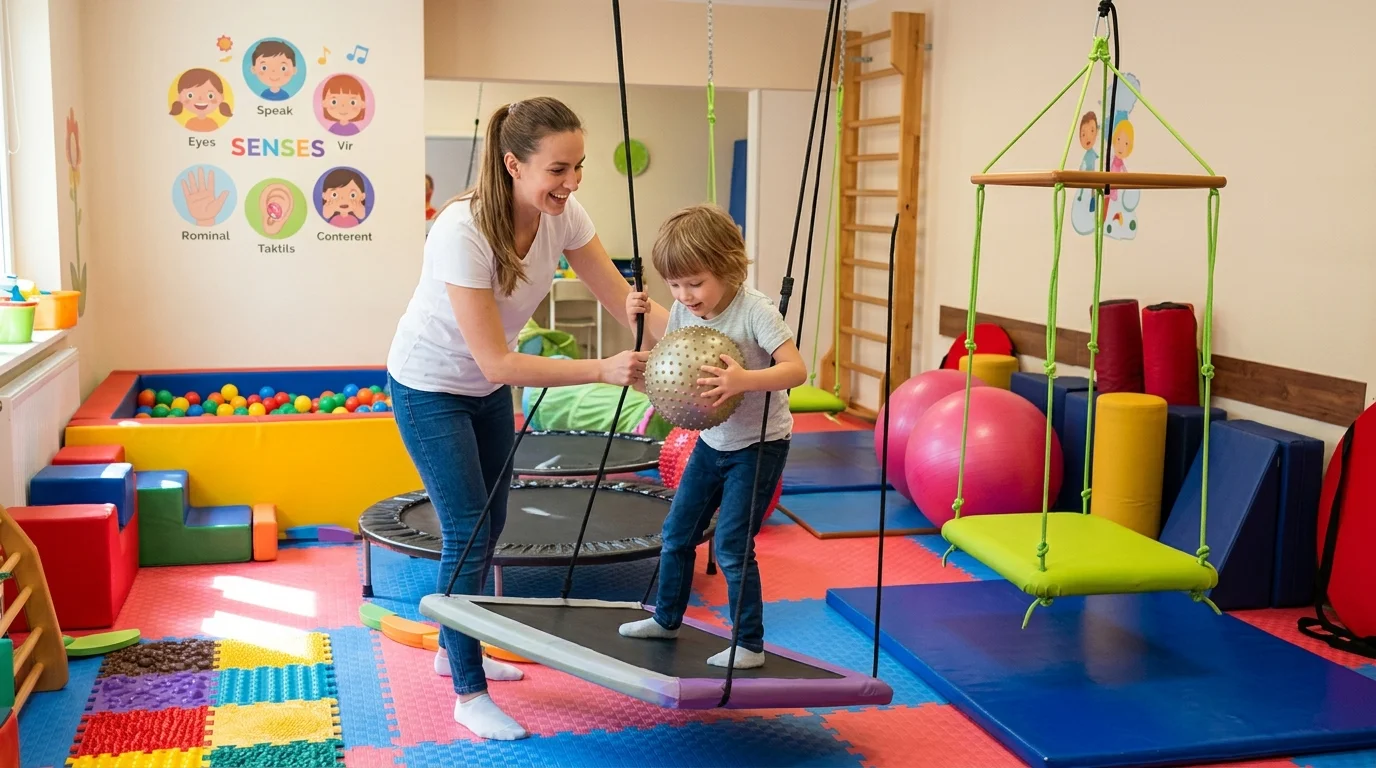
Does your child get overwhelmed by clothing tags? Are they terrified of playground swings, or conversely, feel an unstoppable urge to jump, crash, and spin all day? Do they cover their ears at common sounds, or refuse foods with specific textures? Too often, families dismiss these challenges as "tantrums", "fussiness", or "stubbornness". However, the neurobiological reality is very different: your child may be experiencing a Sensory Processing Disorder (SPD) or sensory integration difference.
At Önce Özel Eğitim and Therapy Center in Pendik, Istanbul, our specialized clinic helps hundreds of children process the world with greater balance, focus, and emotional calm. In this comprehensive guide, we explain what sensory integration therapy is, which children benefit most, and the pediatric therapy opportunities available in the Pendik and Asian Side region of Istanbul.
What is Sensory Integration?
Sensory integration is the neurological process of organizing sensory information received from both our body and the environment (sight, sound, touch, taste, smell, movement, and gravity) to produce an appropriate adaptive response. Pioneered in the 1970s by occupational therapist and psychologist Dr. A. Jean Ayres, this framework is recognized globally as a cornerstone of childhood development and cognitive learning.
In a typically functioning nervous system, the brain effortlessly filters, sorts, and interprets thousands of sensory signals every minute. However, children with sensory processing challenges either over-register sensations (sensory defensiveness / avoidance) or under-register sensations (sensory seeking / craving). This sensory disconnect directly impacts attention span, academic performance, social interaction, and motor confidence.
Our Two Hidden Senses: The Vestibular and Proprioceptive Systems
Beyond our traditional five senses, two vital sensory systems lie at the core of sensory integration therapy:
- Vestibular Sense (Balance and Movement): Located within the inner ear receptors, this system perceives head position, gravity, and acceleration. Children with vestibular dysfunction may panic when their feet leave the ground (gravitational insecurity) or, conversely, demonstrate an insatiable need to swing, jump, and spin.
- Proprioceptive Sense (Body Awareness and Deep Pressure): Sensory receptors in our muscles, joints, and tendons inform the brain about limb position and force exertion. Children with weak proprioception frequently appear clumsy, push or grab items too forcefully, or constantly bump into furniture.
Who Benefits from Sensory Integration Therapy?
Sensory integration is widely recommended for diverse developmental profiles experiencing daily sensory modulation hurdles:
1. Autism Spectrum Disorder (ASD)
A vast majority of children with autism struggle with sensory overload, emotional regulation, auditory sensitivity, or light defensiveness. Sensory integration therapy serves as a critical foundation for early intervention, self-regulation, and communicative readiness.
2. Attention Deficit Hyperactivity Disorder (ADHD)
Children who struggle to sit still in school or sustain focus often fidget because their central nervous system seeks vestibular and proprioceptive input to maintain alertness.
3. Developmental Coordination Disorder (Dyspraxia / Clumsiness)
Essential for children who trip frequently, struggle with navigating stairs, or lag behind peers in bilateral coordination tasks such as buttoning shirts, cutting with scissors, or riding a bicycle.
4. Tactile Defensiveness and Extreme Food Selectivity
Refusing specific clothing textures, melting down over sock seams, fearing dirty hands, or gagging on solid food textures are classic indications for clinical sensory evaluation.
How is Sensory Integration Therapy Conducted?
Sensory therapy is not traditional desk-bound teaching. Conducted 1-on-1 by certified therapists, it takes place in a purpose-built sensory gym where therapy is structured as playful, motivating physical engagement:
- Suspended ceiling swings, hammocks, and bolster swings (Vestibular stimulation)
- Climbing walls, ladders, and rope bridges
- Ball pits, weighted blankets, and compression vests (Deep proprioceptive input)
- Balance boards, dynamic rollers, and trampolines
- Tactile exploration stations and Wilbarger brushing protocols
Pediatric Therapy in Pendik: Easy Access from Kartal, Tuzla & Gebze
Therapeutic success relies on certified expertise, consistent sessions, and well-equipped clinics. Önce Özel Eğitim Center features a modern, European-standard sensory integration unit located centrally in Pendik, Istanbul.
Thanks to our proximity to the E-5 Highway, Marmaray train station, and central transit hubs, families from Pendik, Kurtköy, Kartal, Maltepe, Tuzla, as well as Gebze, Darıca, and Çayırova can easily reach our facility without metropolitan traffic stress.
Do Not Delay Your Child's Development — Book a Free Initial Evaluation
Sensory challenges rarely resolve on their own without guided support; unaddressed, they can erode academic progress and self-esteem. Early intervention maximizes the brain's natural neuroplasticity.
To analyze your child's sensory profile with our specialists, contact Önce Özel Eğitim today and schedule your free developmental screening session.
Consult for Your Child's Development
Let us evaluate your child's developmental needs free of charge with our expert instructors and psychologists. You can contact us for any questions.
Consult via WhatsApp